1. Vulnerabilities in Carcass Transport Logistics
Once slaughtering is complete, beef and lamb carcasses enter a delicate microbiological phase during transit to cold stores and distribution hubs. During this window, meat surfaces are vulnerable to ambient airflow, vehicle surface friction, and temperature fluctuations.
Without an engineered protective textile barrier, major issues arise:
- Moisture Loss (Shrinkage): Rapid surface evaporation causes 2% to 4% carcass weight reduction, creating significant financial loss.
- Oxidation & Darkening: Exposure to air degrades surface bloom and natural meat coloring.
- Cross-Contamination: Airborne dust and contact points carry bacterial pathogens.
- Surface Fluid Drip: Escaping blood spoils transport hygiene and promotes off-odors.
"High-grade breathable cotton/polyester stockinette reduces carcass weight shrinkage by up to 60% while trapping surface fluids to keep meat pristine."
— Temafil Textile Quality Assurance2. The Crucial Role of Meat Shrouds and Netting
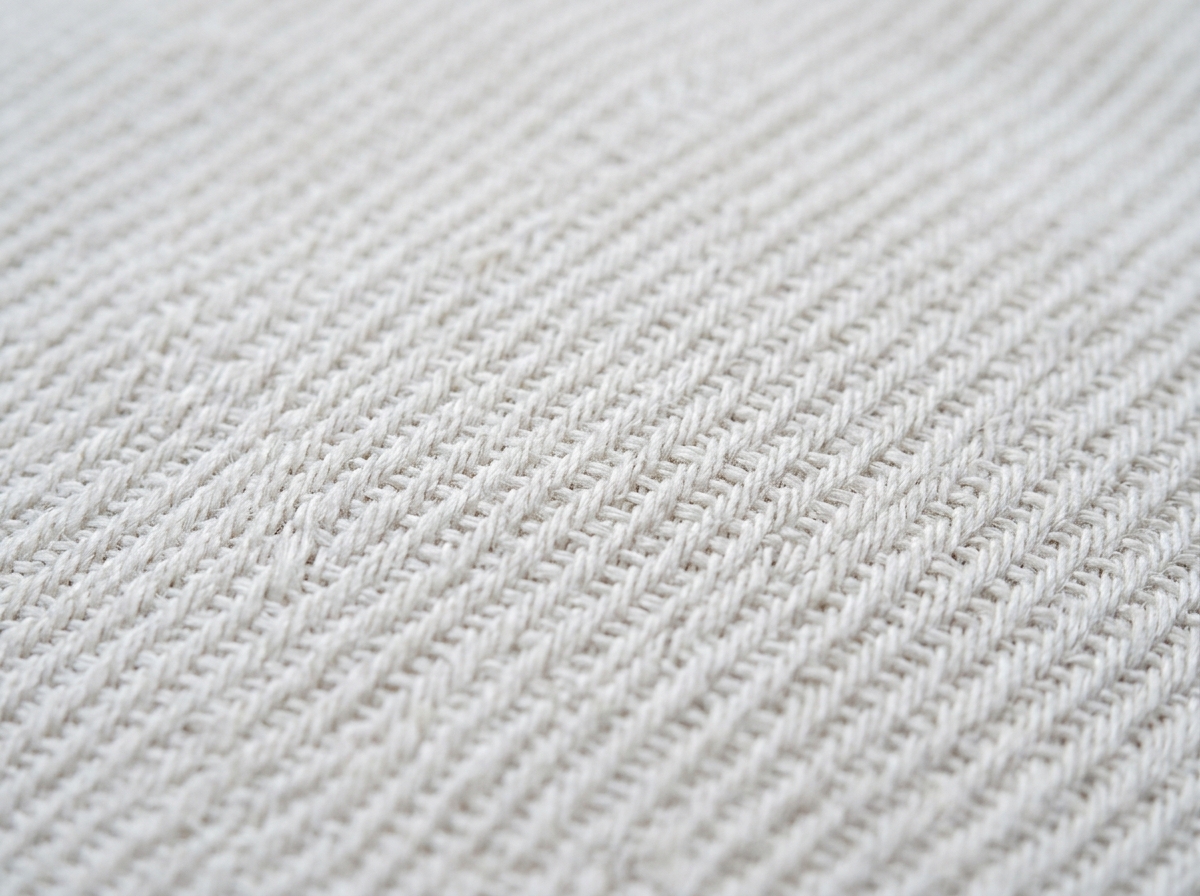
A meat shroud shields carcasses with circular knit tubular fabric, stopping dry chiller airflow from dehydrating outer tissues while wicking away condensation.
Meat netting provides elastic compression, holding meat firmly intact and facilitating effortless handling during transit.
3. Regulatory & Food Codex Compliance
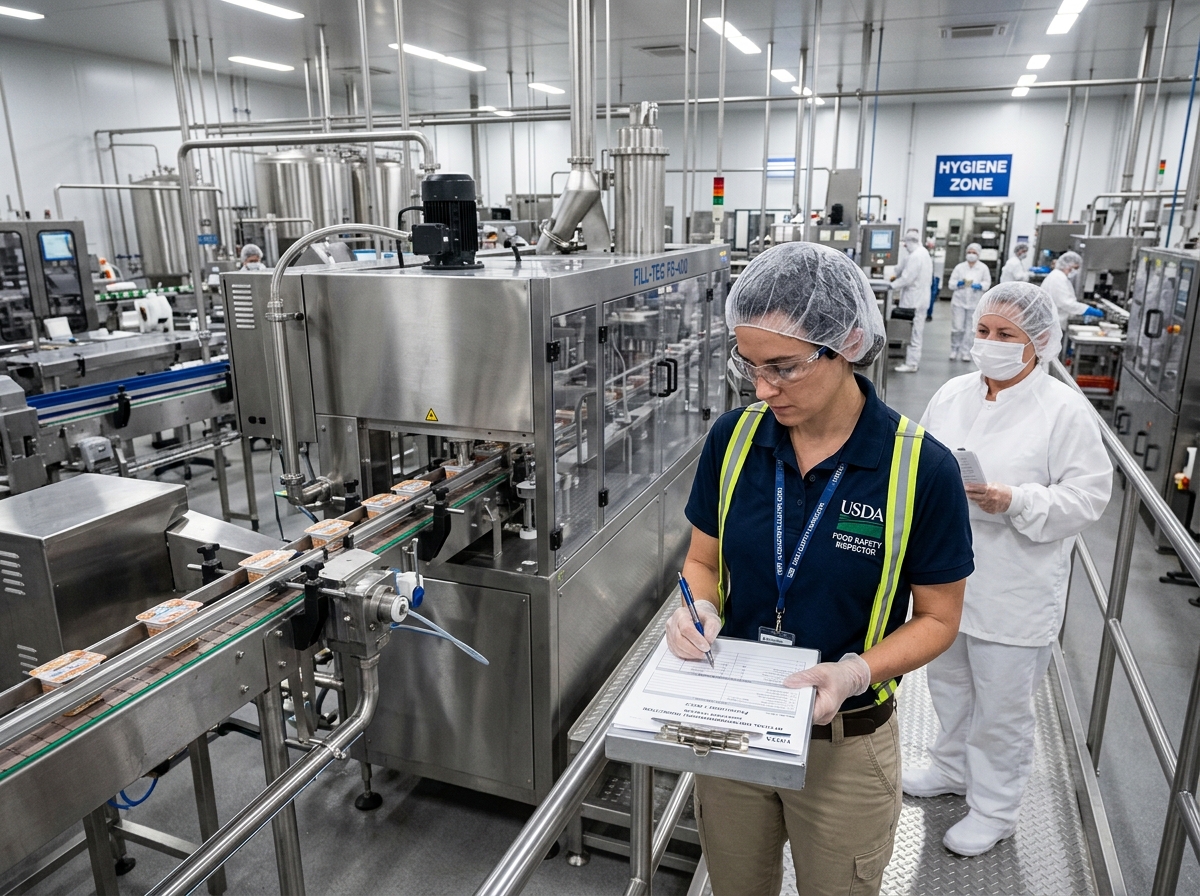
In accordance with Turkish Food Codex and EU Food Contact Material regulations, all textile packaging touching meat must be free of harmful chemical migrations. Temafil operates under full Ministry approval and ISO 22000 certification.